Siete claves para unas vacaciones de Semana Santa más seguras en el mar
The Association for Drowning Prevention, ‘Canarias, 1500 Km de Costa’ has once again released tips and recommendations for safely enjoying water activities in beaches, pools, and ponds in the Archipelago with the start of the 2025 Easter holidays.
In a press release, the organization advocates for maintaining a preventive attitude and acting with common sense and self-responsibility in these spaces «always». They emphasize paying close attention to flag colors, rip currents, and avoiding beaches without lifeguard services, which are the three main causes of drowning deaths worldwide.
SAFE EASTER WEEK IN THE WATER
The Association has outlined seven key tips for a safe Easter week in the water:
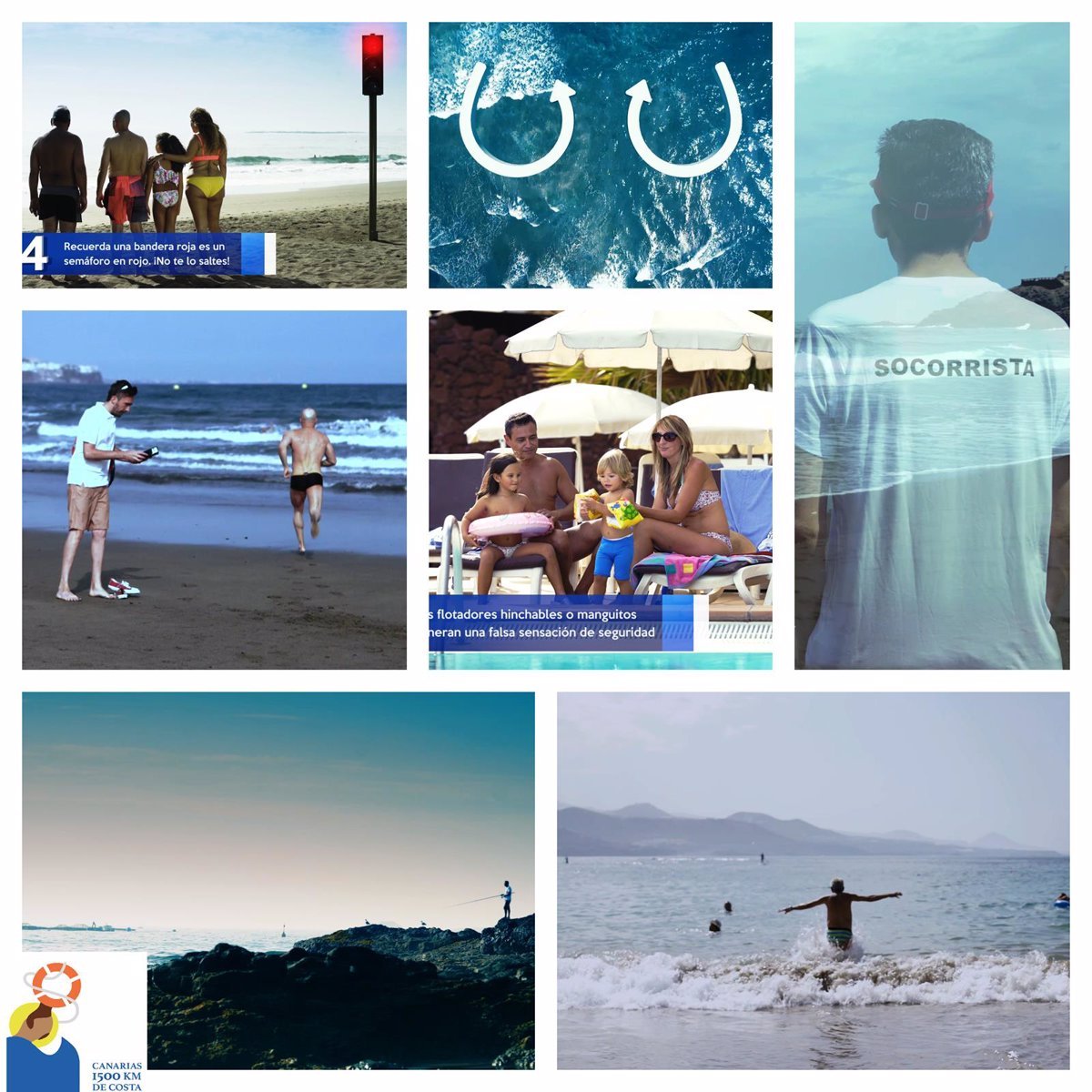
– Red flag means no swimming. 80% of sea accidents occur due to disregarding flag colors, with 80% of them resulting in death. A red flag signifies no swimming.
– Remember that a yellow flag indicates caution and water should not exceed knee level.
– A green flag signifies good swimming conditions, but common sense and prevention should always be applied.
– Visit beaches with lifeguard services to avoid the high mortality rate associated with swimming on unguarded beaches or during inactive rescue service hours.
– Extreme caution is advised at unguarded beaches, and it’s preferable not to swim alone. Always use a flotation device and ask surfers or locals about dangerous spots on the beach.
– Enter the water slowly, check the depth, avoid currents, and swim parallel to the shore. Additionally, avoid nighttime swimming and refrain from swimming under the influence of alcohol or drugs.
– Avoid rip currents. These can drag swimmers out to sea, so it’s crucial to inquire about currents from lifeguards, fishermen, or surfers before entering the water. Stay away from calm areas where rip currents are often found; it’s safer to swim among breaking waves.
If fishing in rocky areas, wear a life jacket. Always check the weather forecast, sea and wind conditions before fishing in cliffside or rocky coastal areas. Never go alone, inform family or friends of your location and return time, wear appropriate footwear, bring a life jacket, and helmet.
Avoid becoming the wrong hero. If witnessing someone in danger of drowning, stay calm and call emergency services (1-1-2). Do not attempt a rescue in adverse weather conditions; instead, remove clothing, secure a flotation device, and then enter the water.
A float in the sea, a dangerous toy. Children are most vulnerable in water, and inflatable floats or armbands can create a false sense of security. Always use floats suitable for the child’s size to prevent them from slipping off when raising their arms. Teach your child to swim from an early age.
For older adults, it’s important to be aware of physical limitations, acclimate gradually to water temperature, and refrain from swimming if feeling cold. Stay hydrated, seek shade, avoid heavy meals, and don’t swim during peak sun hours. A heart attack in the water can lead to drowning in just one minute, so steer clear of deep areas and intense physical activity.
‘Canarias, 1500 Km de Costa’ is sponsored by the Cabildo de Gran Canaria, the Elder Museum of Science and Technology, and supported by the Ministry of Territorial Policy, Territorial Cohesion and Water of the Government of the Canary Islands, the Tourism and Sea City Council of Las Palmas de Gran Canaria, and Binter.
FUENTE