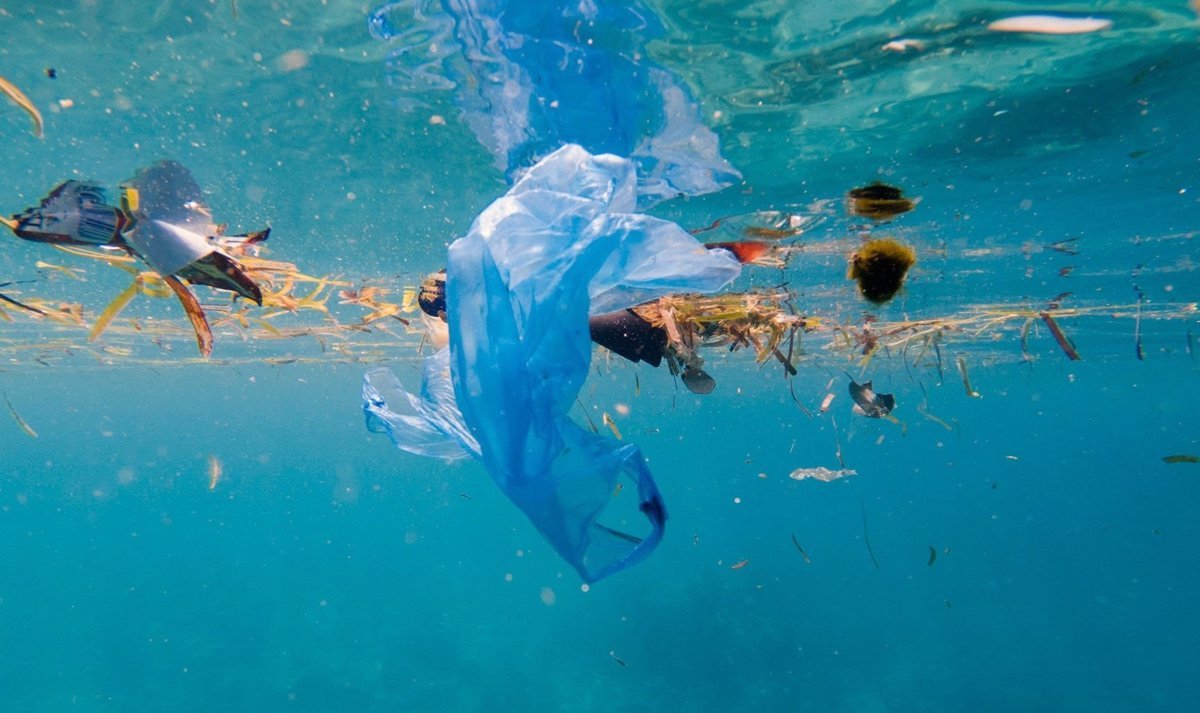
SEO/BirdLife is developing the pioneering RBMar project, dedicated to the impact of marine litter in coastal and marine areas of the Biosphere Reserves of Gran Canaria, Lanzarote, the Chinijo archipelago, La Palma, and El Hierro, which in «many cases» come from Canada, the East Coast of the United States, Mexico, and even Greenland.
The project aims to provide knowledge and raise awareness about marine litter reaching these areas of «great ecological value,» declared by the United Nations Educational, Scientific and Cultural Organization (Unesco).
The reserves seek to promote sustainable development through the conservation of ecosystems and the promotion of community participation in the territory, with each of the Biosphere Reserves and their technical teams being key collaborating partners of RBMar, as reported by the organization in a press release.
The project, funded by the Recovery, Transformation, and Resilience Plan, within the NextGenerationEU instrument, will provide a detailed and updated view of the state of marine litter in these areas, allowing valuable scientific information to be used as a basis for designing management actions and conservation-oriented public policies.
They point out that «many» of the litter reaching the coasts of the Canary Islands, which are «of great variety and typology,» come «in many cases from such distant places» as Canada, the East Coast of the United States, Mexico, and even Greenland due to the confluences of various marine currents, such as the Labrador Current, the Gulf Stream, and the Cold Canary Current, although the «majority» of waste in the sea originates from land.
THE LARGEST VOLUME FOUND IS PLASTICS
Plastics occupy «fundamentally» the «largest volume of everything» found, although cigarette butts are the most prominent item, highlighting the «imperative need to manage solid waste effectively» in urban areas.
This pollution, affecting marine ecosystems, is compounded by the effects of climate change, «constituting one of the most pressing threats» to human health, the environment, and biodiversity.
Regarding RBmar’s tracking work, which concludes in the fall of 2025, it aims to design a suitable protocol for monitoring marine litter in the Canary Islands. This work involves a 100-meter route (transect) inspecting all objects found measuring between 0.5 mm and 2.5 mm on each of the beaches of the participating islands, selected based on various technical criteria.
This route is carried out in each season of the year, with the spring season currently underway, conducted by specialized technicians (biologists, geographers, and environmentalists).
This process, they emphasize, is «crucial» for collecting data that, analyzed later by the Marine Sciences Technological Center (Cetecima) located in Gran Canaria, will allow the characterization of marine litter, address its origin, and accumulation areas.
OCEANOGRAPHIC AND CURRENT CHARACTERIZATION
Meanwhile, the Canary Islands Oceanic Platform will provide oceanographic and current characterization to analyze movement patterns, crucial information for monitoring and adopting future policies to mitigate this «urgent and critical» environmental problem.
They also indicate that, in addition to the beach litter tracking tasks, the project includes other direct intervention activities, such as cleaning port bottoms on each of the islands by professional teams of divers specialized in underwater work.
These clean-ups require «complex logistics,» both in terms of team training and the type of waste accumulating on the seabed: fishing nets, batteries, tires, heavy metal remains, or even cars.
The interventions, they point out, will contribute not only to the «environmental improvement» of the port environment but also to generating knowledge about submerged waste, a still little-known aspect that could lead to future action protocols.
Additionally, numerous beach clean-ups will be carried out on the participating islands, with a collaborative approach involving several local groups, each with a «deep commitment and a long history» in conducting these types of activities on the island.
These actions are designed, they note, from an «ecological, respectful» perspective towards coastal ecosystems and with a «deep appreciation» of the local context. Thus, they state that these are not «massive clean-ups, but carefully planned» activities that minimize impact, involving a small number of participants and thorough training.
Regarding the actions carried out on each of the islands, they adapt to the idiosyncrasy of the collaborating group and the territory. In Lanzarote, for example, it is carried out with the Papacría group, specialized in land stewardship and made up of a group of Canarian artists committed to activities related to conservation and care of the environment.
In this case, the focus is mainly on clean-ups in hard-to-reach areas due to the high pressure and accumulation of marine litter on the island, one of the areas «most affected» by its arrival in the Canary Islands.
In Gran Canaria, on the other hand, SEO/BirdLife collaborates with the Ocean4Life group, dedicated to the protection and restoration of the oceans and natural environments of the island, involving mainly the educational community in beach clean-ups; while in La Palma, they work with the Biocultural La Foresta Association, born in 2021 from a group of neighbors moved by the defense of rural and wild habitat and culture, promoting neighborly activities and community participation.
In El Hierro, RBmar collaborates with the Fronsub Diving Club, which promotes the dissemination and enjoyment of marine environments, organizing numerous clean-ups, both on beaches and seabeds.
Underwater clean-ups will be carried out with volunteer snorkeling, allowing citizens to be directly involved in the restoration of these marine ecosystems. There will also be awareness-raising meetings with local groups on each island, promoting environmental education and citizen commitment in the fight against marine litter.
Finally, they point out that the «joint effort» of SEO/BirdLife with scientists, local groups, and volunteer individuals «demonstrates the importance» of citizen participation in the fight against marine pollution.